






























BMI Calculator


Your BMI =
-
(-)
- Underweight
- Normal
- Overweight
- Obesity
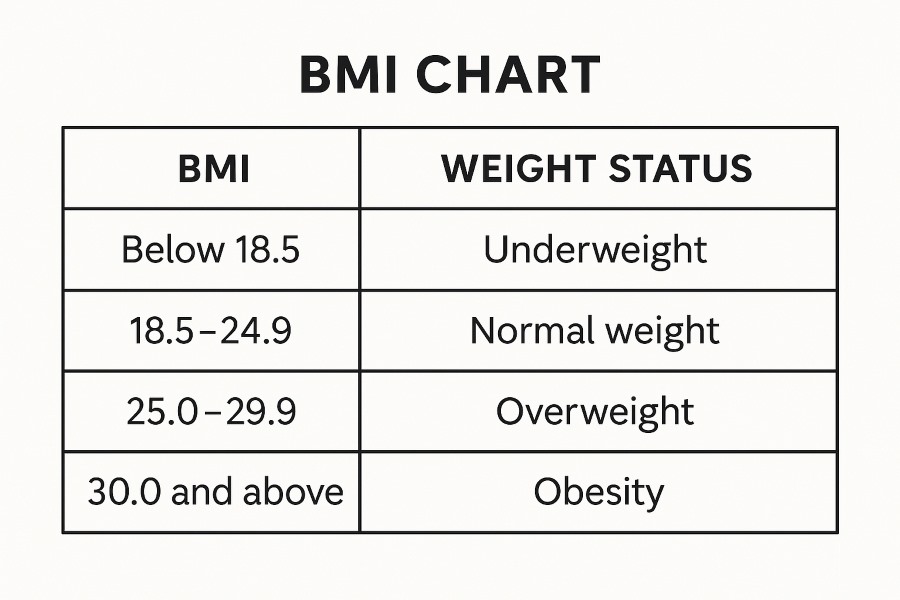
BMI RANGE AND CATEGORY CHART
BMI table for adult
| Category | bmi range Kg/m2 |
|---|---|
| Underweight | < 18.5 |
| Normal Weight | 18.5 - 24.9 |
| Overweight | 25 - 29.9 |
| Obese | > 30 |
BMI Calculator: Calculate BMI by Age for Men, Women & Kids
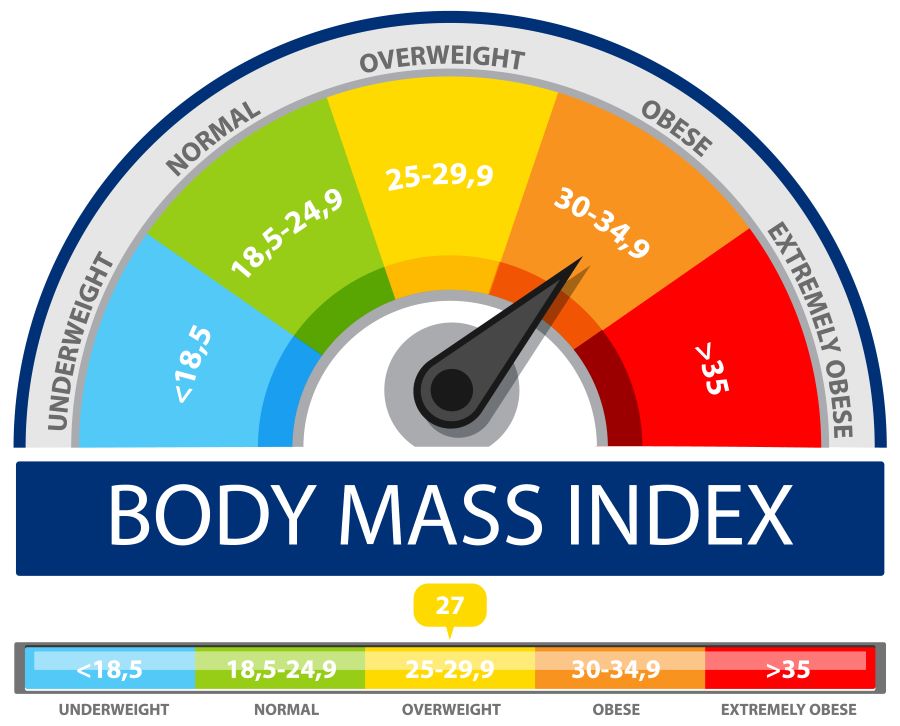
Body Mass Index (BMI) is a simple yet powerful metric that helps you understand whether your weight is appropriate for your height. It’s calculated using a BMI calculator that helps you quickly determine your BMI score, giving insights into your weight category like underweight, normal, overweight, or obese.
Knowing your BMI is important because it gives a quick overview of your health and can indicate potential risks for conditions like diabetes, heart disease, and hypertension.
What is a BMI Calculator?
A Body Mass Index Calculator is a simple tool that helps you quickly determine your body fat in relation to your height and weight without any manual calculations. The original name for BMI is the Quetelet index, and it is calculated by entering your weight and height. The calculator uses the BMI formula:
BMI = weight(kg)/height(m)²
The result shows your BMI score along with the corresponding weight category:
- Underweight - BMI less than 18.5
- Normal weight - BMI between 18.5 and 24
- Overweight - BMI between 25 and 29.9
- Obese - BMI above 30
Why is Calculating Your BMI Important?
Your Body Mass Index (BMI) is a quick health check that tells you if your weight is in a healthy range for your height. Understanding your BMI is important as it can help you make informed decisions about diet, exercise, and overall wellness.
Here are a few reasons why it is important:
What is the Formula Used to Calculate BMI?
The BMI calculator follows a simple formula to evaluate the results. It divides the weight (in kilograms) by the square of height (in meters).
Additionally, this calculator comes with multiple options like age and gender. This makes the computation result more accurate for individuals.
The formula to calculate BMI for men and women is:
For example, a female weighing around 70 kilograms and 5’ (1.524 meters) tall, her BMI is:
BMI = 70/(1.524) ² = 30.1 kg/m²
This data indicates that the person is obese. For this height and weight range, a BMI of 18.5 to 24.9 is normal. Therefore, the person needs to lose weight and bring it down by about 6 kilograms.
How to Use Digit’s BMI Calculator?
The BMI calculator has made calculating body mass index very easy. Just follow the simple steps below to find your BMI using this calculator.

Step 1
Select your gender from the given options: (Male/Female/Third Gender) and insert your age in numbers (Years) under the "Age" section.
Step 2
Insert your height in feet (ft) and inches (in) or centimetres (cm) under the “Height” section and weight in kilograms (kgs) under the “Weight” section.
Step 3
Finally, click on the calculate button to find your BMI.
How to Calculate BMI For Men, Women and Kids?
The calculation for BMI for men, women and kids is done in a similar way with the help of formula or through the calculator, however, the interpretation differs for adults and children. Let’s take an example of a family consisting of a father who is 35 years old, a mother who is 32 years old, and their child who is 9 years old. Here, we will calculate the BMI for each family member and explain what the results mean.
Father’s BMI Calculation
The father weighs 80 kilograms and his height is 1.78 meters. BMI = Weight (in kilograms) ÷ Height (in meters)². So, for the father, the BMI is 25.2 which falls in the Overweight category because the healthy range for adults is between 18.5 and 24.9.
Mother’s BMI Calculation
The mother weighs 65 kilograms and her height is 1.65 meters. BMI = Weight (in kilograms) ÷ Height (in meters)². Her BMI is 23.9, which is within the Normal weight range for adults.
Child’s BMI Calculation
The child weighs 30 kilograms and has a height of 1.35 meters. BMI = Weight (in kilograms) ÷ Height (in meters)². The child’s BMI is 16.5, but for children, BMI is not interpreted using fixed numbers like adults. Instead, it is compared to a BMI percentile chart for their age and gender. If 16.5 falls between the 5th and 85th percentile, the child is considered to have a healthy weight.
Essential Tools for Maintaining Your Health
What is BMI Chart?
A Body mass index calculator assesses an individual’s weight category by calculating the ratio of their weight to their height squared. Instead of calculating BMI manually, you can use the chart to quickly find your BMI category by matching your height and weight values.
It lists height and weight values, allowing you to find your BMI range immediately. This chart is widely used in healthcare, fitness centers, and even at home because it’s simple and easy to interpret.
However, one must know that tall people have more tissue, which makes them weigh more and hence, BMI results should not be the sole factor in determining your health plan.
Understanding BMI Chart for Men, Women and Kids
While the basic BMI formula is the same for everyone, the interpretation of results can vary for men, women, and children. A BMI chart for men, women and kids is as follows:
Disclaimer: BMI is a screening tool, not a diagnostic measure. It does not account for factors such as muscle mass, body composition, age, ethnicity, or medical conditions. For personalised health advice, consult a qualified healthcare professional.
What is the Ideal BMI Range for Men, Women and Kids?
The Ideal BMI refers to the Body Mass Index range that indicates a healthy weight for your height. For adults, the BMI calculation is the same for both men and women, but the interpretation can vary slightly due to differences in body composition.
- Ideal BMI Range for Men: 18.5 – 24.9
- Ideal BMI Range for Women: 18.5 – 24.9
- Ideal BMI Range for Kids: A healthy BMI for kids falls between the 5th - 85th percentile, but interpretation depends on age and gender because body fat changes as they grow.
Remember, BMI is a universal formula for adults, regardless of gender. However, men often have more lean muscle mass, while women have a higher fat distribution, especially in the hips and thighs.
Why Does BMI Vary for Men, Women, and Kids?
Here is why BMI varies for men, women and kids:
- Men generally have higher muscle mass compared to women, which can slightly influence BMI readings.
- Women naturally have a higher body fat percentage than men, but BMI charts use the same ranges.
- Hormones like estrogen and testosterone affect fat distribution and muscle development.
- Children and teens are still growing, so BMI interpretation is based on age and gender percentiles, not fixed ranges.
What are the Benefits of Using a Body Mass Index Calculator?

Understanding the BMI calculator metric is useful to determine a person’s lifestyle and eating choices. Individuals who are underweight can evaluate the reason for these changes. In some instances, medical conditions like thyroid can increase or decrease body weight, which requires immediate medical attention.
It can also help one maintain a normal weight, reducing their risk of diseases like osteoarthritis, cardiovascular diseases, and type 2 diabetes, among other ailments.
Additionally, some other benefits of the BMI calculator are as follows:
- Allows easy and quick calculations with minimal data.
- Removes the possibilities of errors, which are common in manual calculation.
- Mobile-friendly and inexpensive.
- Some tools also offer suggestions regarding the normal body fat levels.
What are the Limitations of Using the BMI Calculator?
While a BMI calculator is a quick and convenient tool to assess weight relative to height, it has several limitations that you should be aware of:
- Does not differentiate between muscle and fat
- Ignore body compositions like bone density, water retention, etc.
- No consideration for age and gender in adults
- Ethnicity and genetics are overlooked as they can have varying health risks at the same BMI
- BMI cannot diagnose obesity-related conditions or overall fitness.
- BMI is not suitable for pregnant women or individuals with certain medical conditions, as weight changes are expected and normal in these cases.

How to Maintain a Healthy BMI?
Maintaining a healthy BMI is essential for overall wellness and reducing the risk of lifestyle diseases. Simple daily habits can help you stay within the ideal range and improve your long-term health. It includes:
- Eat a Balanced Diet: Include fruits, vegetables, lean proteins, and whole grains in your meals.
- Control Portion Sizes: Avoid overeating by practicing mindful eating and portion control.
- Exercise Regularly: Aim for at least 150 minutes of moderate activity or 75 minutes of vigorous exercise weekly.
- Stay Hydrated: Drink enough water to support metabolism and overall health.
- Get Adequate Sleep: Poor sleep can lead to weight gain and BMI imbalance.
- Limit Processed Foods and Sugary Drinks: Reduce empty calories that contribute to weight gain.
- Monitor Your BMI Periodically: Track changes to stay within the healthy range.
- Manage Stress: High stress can lead to emotional eating and weight fluctuations.
Read More

Read Less
What are the Health Risks of Being Overweight and Underweight?
Maintaining a healthy weight is essential for overall well-being. Both being overweight and underweight can lead to serious health complications that affect physical, mental, and even emotional health. Here’s a breakdown of the risks associated with each:
Understanding your Body Mass Index (BMI) is a simple yet powerful way to assess whether your weight falls within a healthy range. While BMI doesn’t measure body fat directly, it serves as a useful screening tool for potential health risks linked to being underweight, overweight, or obese.
Try calculating your BMI today and see where you stand! It’s the first step toward maintaining a balanced, healthy life.